Fixed Braces
Conventional braces
A fixed braces option for patients who need controlled tooth movement and regular dental reviews throughout treatment.
Achieve a straighter, healthier smile with personalised orthodontic treatment. We offer conventional braces and Invisalign® clear aligners to correct crowded teeth, gaps, bite issues, tooth alignment concerns and jaw asymmetry. Treatment plans are tailored to your dental needs and lifestyle.
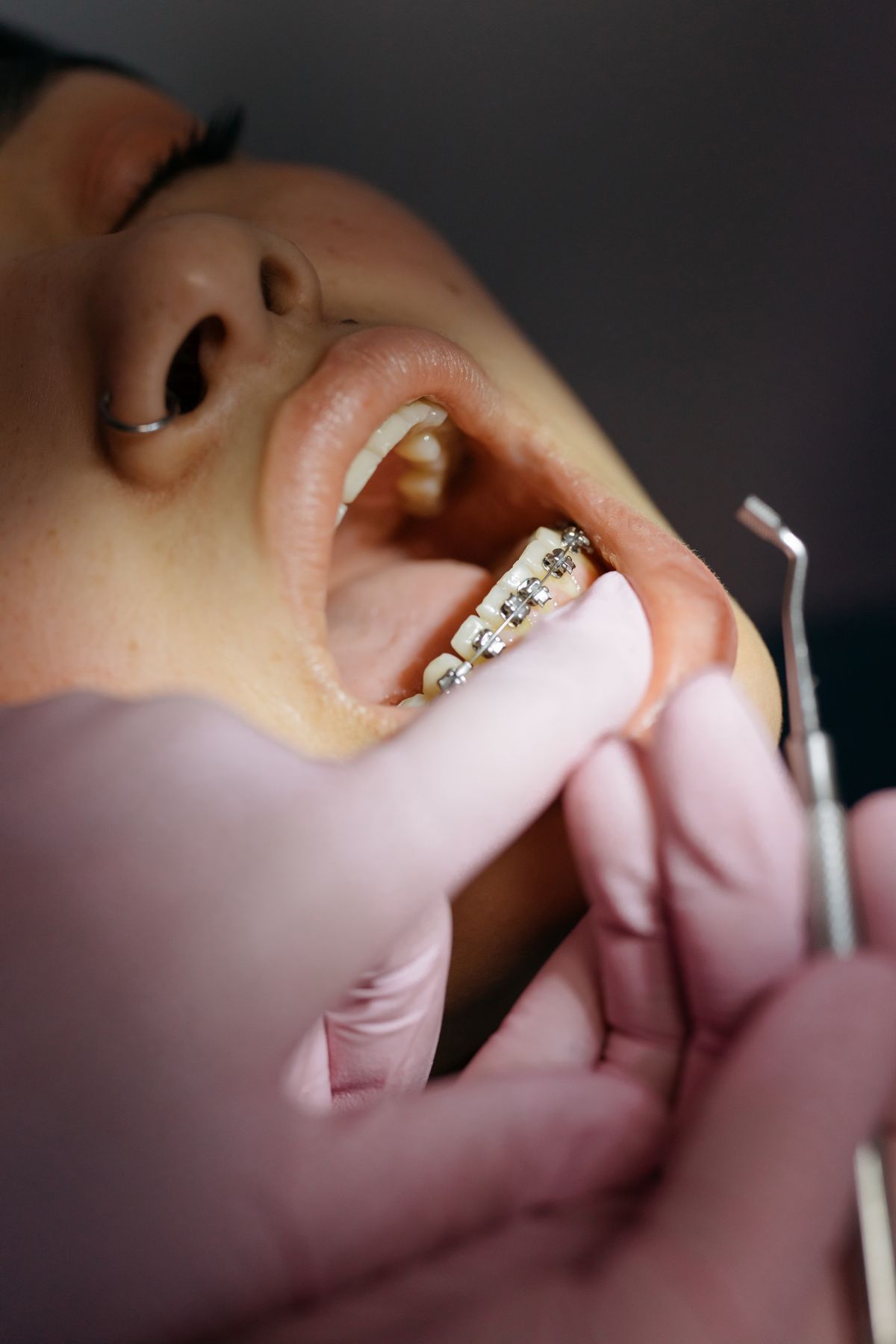
Assessment-led planning for braces, clear aligners, bite concerns, and retention.
Orthodontic treatment may involve fixed braces, ceramic braces, self-ligating braces, Invisalign® clear aligners, or a retainer plan after active alignment is complete.
The consultation is used to understand whether the concern is mainly cosmetic alignment, crowded or crooked teeth, spacing, bite correction, or a combination of factors that need a staged plan.
Orthodontic care at Inshin Clinic begins with a detailed dental assessment, allowing each plan to be shaped around your tooth alignment, bite, oral health, lifestyle, and long-term retention needs.
Compare fixed braces and clear aligners through a consultation that considers tooth movement, appearance preferences, oral hygiene, and daily routine.
A fixed braces option for patients who need controlled tooth movement and regular dental reviews throughout treatment.
A tooth-coloured fixed braces option that may be discussed when patients want a less noticeable appearance than conventional metal braces.
A fixed braces system that may be considered depending on the movement required, oral condition, and the dentist's assessment.
A removable clear aligner option for suitable cases, planned around the teeth movement needed and the patient's ability to wear aligners consistently.
Alignment planning looks at tooth position, smile balance, cleaning access, and bite function before a suitable orthodontic route is discussed.
Crowding or crooked teeth can be assessed to understand available space, tooth movement needs, oral hygiene factors, and treatment limitations.
Spacing concerns are reviewed by looking at why gaps are present, how the teeth meet, and whether orthodontic movement is a suitable option.
Bite correction planning considers how the upper and lower teeth meet, jaw relationship, tooth wear, comfort, and long-term stability.
Retention is planned after active orthodontic treatment so the dentist can explain retainer type, wear routine, reviews, and maintenance.
Orthodontic treatment may involve fixed braces, clear aligners, staged reviews, and retention planning after active tooth movement.
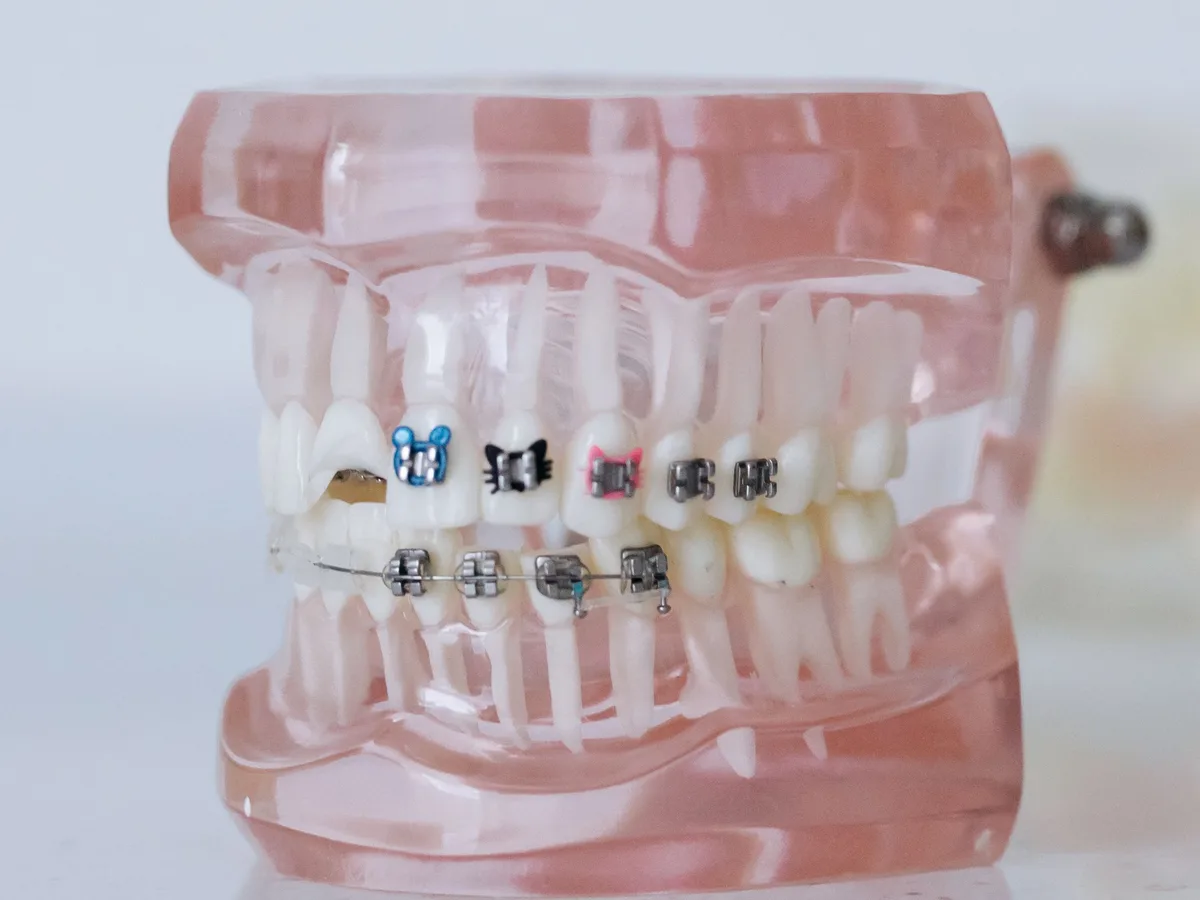

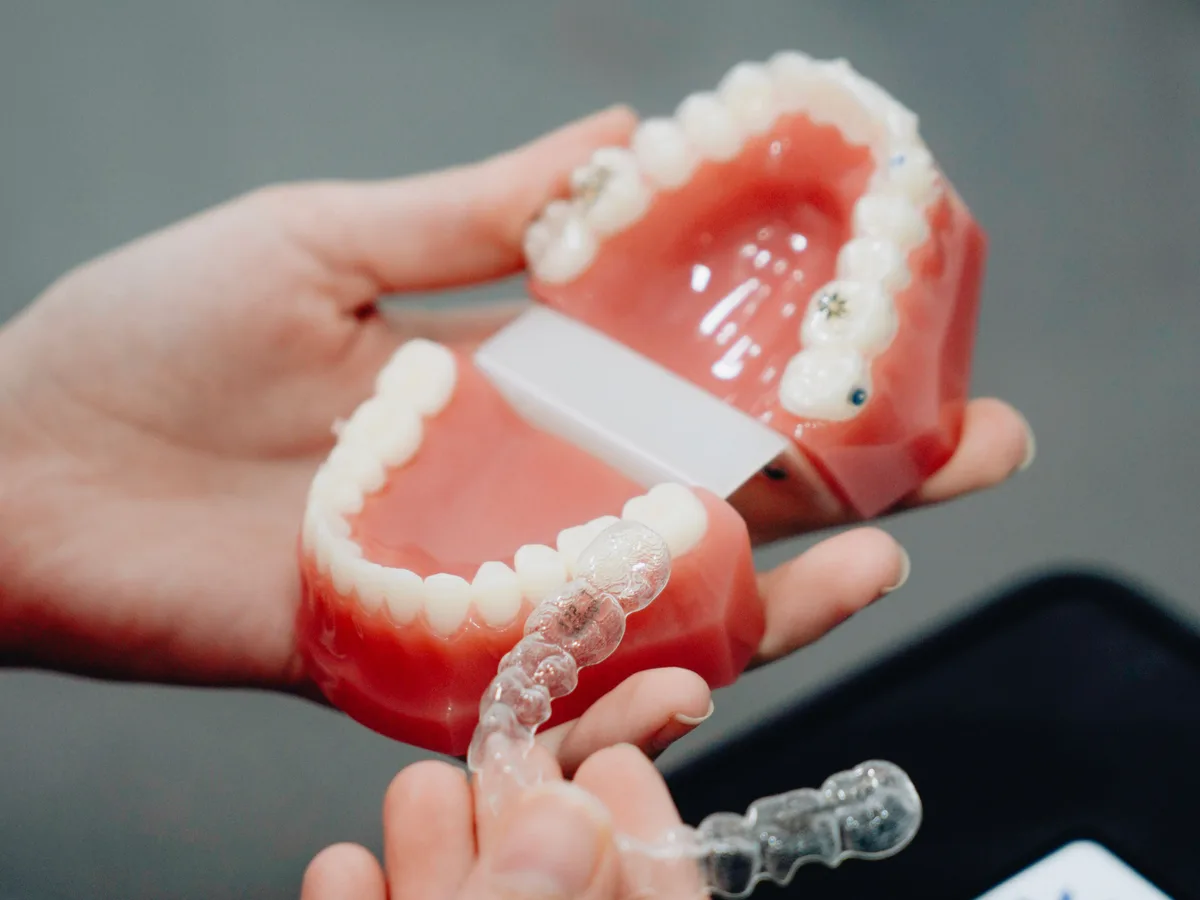
Retention planning protects the work completed during braces or aligner treatment.
Common questions are answered during consultation, where suitability and maintenance can be discussed in relation to your teeth and bite.
The better option depends on tooth movement, bite relationship, oral hygiene, lifestyle, and whether removable aligners can be worn consistently.
Yes, crowding and crooked teeth are common reasons to discuss orthodontic treatment, but the exact plan depends on assessment.
Spacing can often be discussed as part of orthodontic planning. The dentist will assess why the gaps are present before recommending a route.
Retainers are usually discussed as part of post-treatment care because teeth can shift after active orthodontic movement.
Orthodontics consultation
Discuss braces, Invisalign® clear aligners, bite concerns, gaps, crowding, and retainer care with a dental team before deciding on treatment.