Single Tooth
Replacement for tooth
A single-tooth implant may be discussed when one missing tooth needs a fixed replacement planned around bite, gum support, and appearance.

Dental implants replace missing tooth or teeth to improve bite and aesthetics. They are useful in restoring confidence in your ability to chew and smile. Dental implants are the closest to your natural teeth.
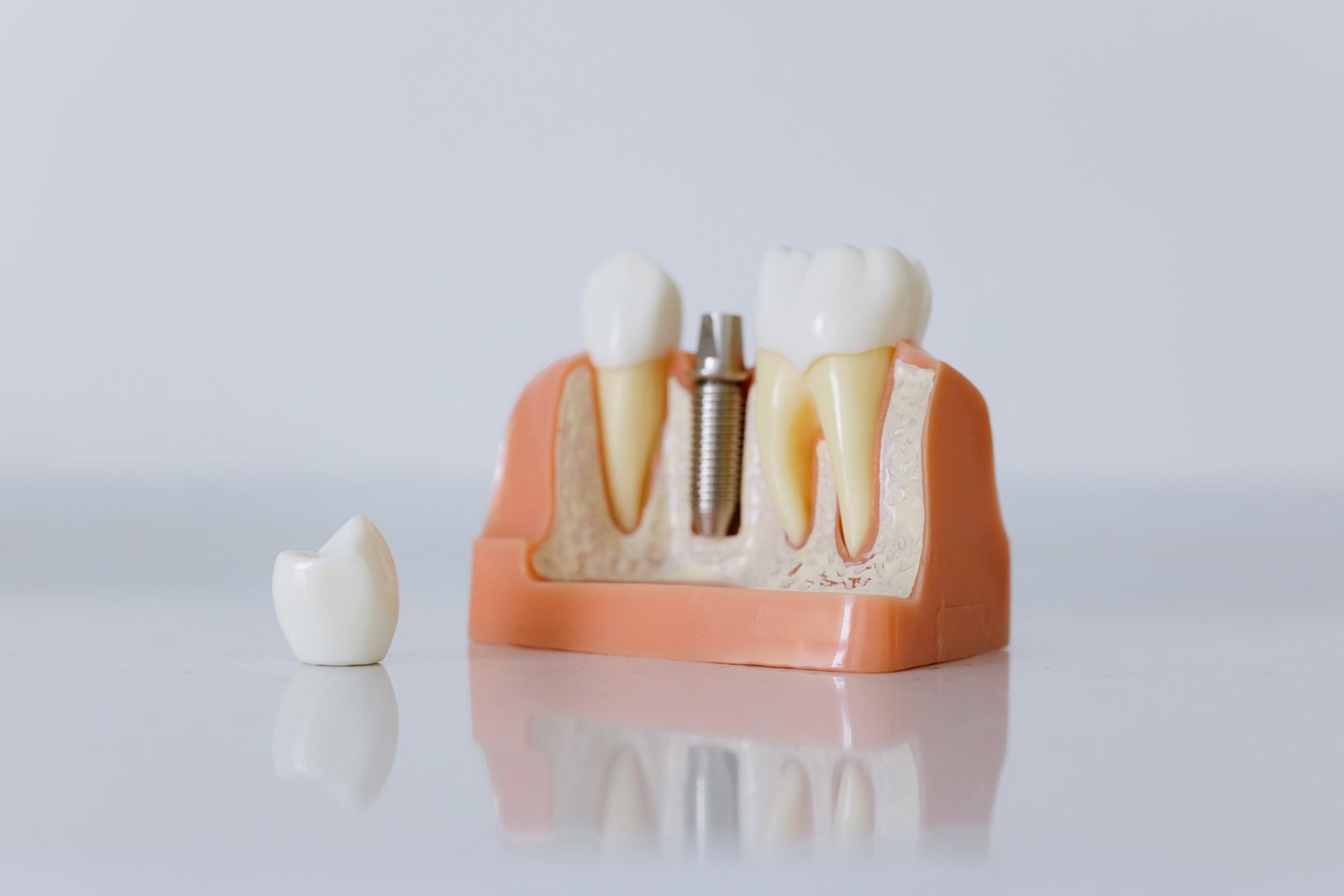
Implant planning for missing teeth, bite support, chewing confidence, and natural-looking replacement.
Dental implants may be discussed when a missing tooth or missing teeth affect chewing, bite stability, confidence, or the appearance of your smile.
Your consultation is used to assess oral health, bone support, gum condition, bite forces, medical history, and whether implant treatment is a suitable replacement route.
Implant care at Inshin Clinic starts with assessment of your missing-tooth area, bite, gum and bone support, smile goals, and long-term maintenance needs.
Implant planning can be discussed as a replacement route for a tooth, bridge, or denture after the dentist assesses suitability.
A single-tooth implant may be discussed when one missing tooth needs a fixed replacement planned around bite, gum support, and appearance.
Implant-supported replacement may be considered when several missing teeth need support without relying only on adjacent natural teeth.
Implants may help support selected denture replacement plans for suitable patients who want improved stability, chewing confidence, or comfort.
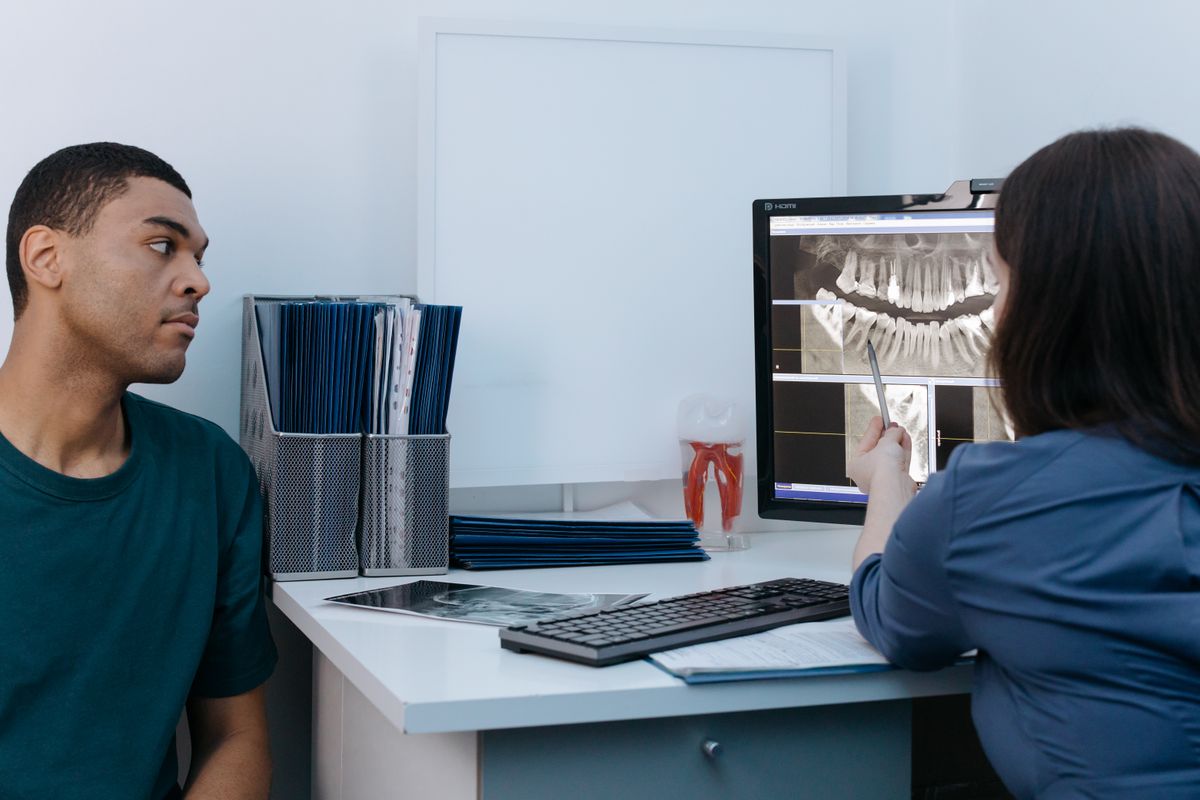
Dental implants need ongoing care so the gums, bite, restoration, and surrounding teeth can be monitored.
Common questions are answered during consultation, where suitability, timing, comfort, and maintenance can be discussed in relation to your oral health.
Dental implants may be suitable for replacing a missing tooth, but suitability depends on oral health, bone support, gum condition, bite, and treatment planning.
Implants may be discussed as part of selected bridge or denture replacement plans after the dentist reviews the number of missing teeth, support needs, and maintenance factors.
Dental implants are designed to feel closer to natural teeth than many removable options, but the right result depends on planning, restoration design, healing, and ongoing care.
Imaging may be recommended when the dentist needs to assess bone support, tooth position, bite, and the structures around the missing-tooth area.
Personalised wisdom tooth removal and dental implant care, planned around your comfort and oral health.
Customised crowns, bridges, and dentures help restore the function, strength, and appearance of damaged or missing teeth.
General dentistry supports prevention, early detection, and treatment of common dental concerns for long-term oral health.
Implant consultation
Discuss replacement for a tooth, bridge, or denture with the dental team before deciding whether implant treatment is suitable.